Smart cities, sustainable infrastructure, digital built environment

Research

SCSDA research themes include BIM, digital twins, reality capture, smart infrastructure, MEMS sensing, AIoT, sustainable construction, and data-driven urban systems.

Research Themes

Applied research for digital, sustainable, and intelligent built environments.

The Academy's research areas connect engineering science, digital delivery, sensing technologies, sustainability, and urban-system applications. The themes are presented as an integrated research platform: models and data support engineering interpretation, sensing systems support field understanding, and sustainable-development questions provide the wider urban context. This structure shows how SCSDA links civil engineering, digital construction, smart infrastructure, and city-scale applied research for international academic and industry audiences.

BIM, Digital Twins and Reality Capture

Building information modelling, bridge and building digital twins, point-cloud processing, laser scanning, and model-based engineering assurance are presented as one connected digital built-environment theme.

Applied to bridge engineering, building delivery, prefabrication, curtain-wall assessment, construction-quality review, and digital construction workflows where model outputs and field data need to be interpreted together.
Smart Infrastructure and Structural Health Monitoring

Data-driven monitoring, sensing, lifecycle performance evaluation, and infrastructure resilience for bridges, buildings, and complex structures form the Academy's smart-infrastructure research direction.

Connects field data, structural modelling, inspection technologies, condition assessment, risk awareness, and digital asset-management methods for engineering systems.

MEMS Sensing and AIoT for Built Environments

Micro-electromechanical sensing, sensing modules, AIoT integration, and field-oriented sensor validation are framed as technical foundations for infrastructure and urban-system monitoring.

Links advanced sensing technologies with built-environment monitoring, environmental reliability testing, sensor deployment scenarios, and smart infrastructure applications.

Sustainable Construction and Circular Materials

Sustainable urban systems, recycled construction materials, green construction methods, and lower-impact built-environment research provide the sustainability frame for the Academy's platform.

Supports resource-efficient construction, sustainable materials, education engagement, and knowledge exchange with collaborators working on practical built-environment challenges.

AI and Data-driven Urban Systems

Urban analytics, data platforms, model-based decision support for engineering workflows, and responsible AI for built assets extend the Academy's work from components and sites to urban systems.

Uses public research summaries to communicate data-driven methods, digital infrastructure concepts, and city-scale analytical questions in a responsible academic tone.

Infrastructure Resilience Research Lines

Three public-facing directions connected to Dr Daguang Han's research agenda.

SCSDA's English site presents these directions as platform-level research lines: they connect Dr Han's work in digital construction, smart infrastructure, BIM, reality capture, sensing, and lifecycle assessment with the Academy's public research themes and applied demonstrators.

Resilient built assets

Infrastructure resilience and lifecycle health monitoring

SCSDA presents infrastructure resilience as an applied research direction linking structural health monitoring, condition assessment, lifecycle performance evaluation, and maintenance-oriented engineering interpretation for bridges, buildings, and urban infrastructure.

  • Field sensing and monitoring data
  • Condition indicators for built assets
  • Lifecycle assessment and maintenance support
Digital construction

Reality capture and digital-twin assessment for large structures

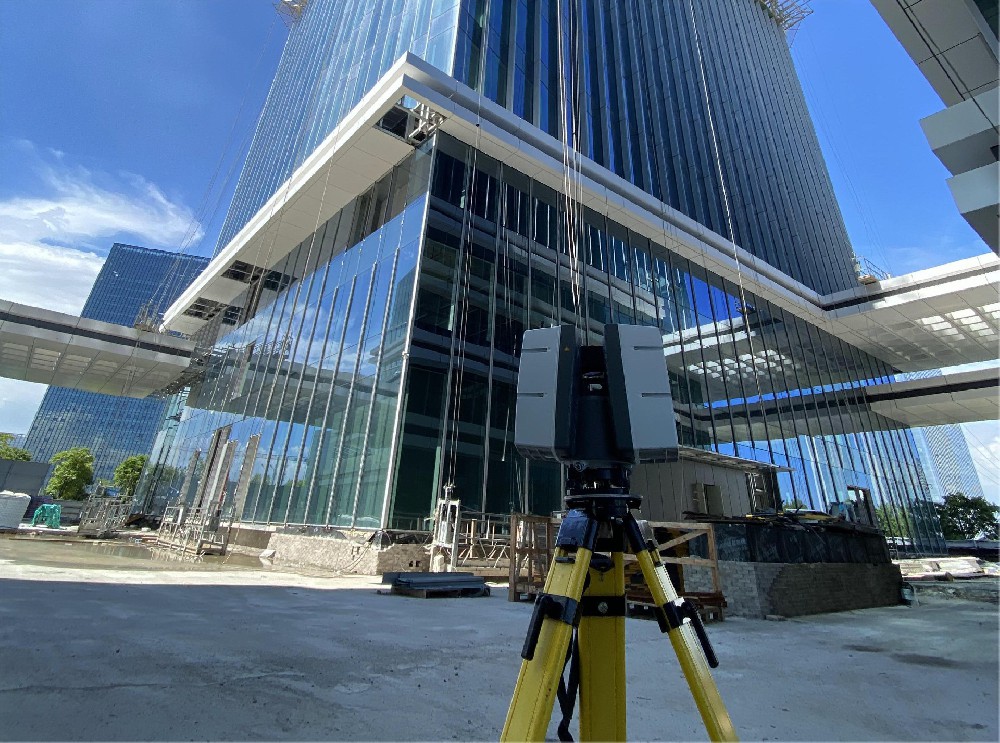
A platform research line connects terrestrial laser scanning, point-cloud processing, BIM, digital twins, and model comparison for bridge engineering, curtain-wall systems, prefabricated construction, and complex steel structures.

  • 3D laser scanning and point-cloud workflows
  • BIM and digital-twin model comparison
  • Engineering assessment for complex structures
Sensing and field validation

Sensor-enabled construction monitoring and field validation

The Academy's public monitoring demonstrators connect inclinometers, water-level sensing, high-formwork monitoring, site data acquisition, and dashboard communication with practical validation in construction and infrastructure contexts.

  • Monitoring sensors and site data acquisition
  • Construction safety and risk-awareness workflows
  • Dashboard-based engineering communication

Research Method

From models and sensors to engineering validation.

SCSDA's work is organised around applied research questions: how digital models, field data, sensing systems, and engineering analytics can improve the design, construction, monitoring, and operation of built assets. The Academy's public material places BIM, digital twins, scanning, MEMS sensing, AIoT, and sustainable urban systems in the same methodological frame: information is gathered from models, sites, sensors, and prototypes, then translated into research summaries, demonstrators, and education-oriented outputs.

Public research communication focuses on methods, demonstrators, project summaries, and education-oriented outputs for academic and industry audiences. This gives the website a research-institute structure rather than a narrow technical catalogue.

Reality capture equipment used for digital construction and engineering assessment
Reality-capture fieldwork visual representing scanning-based digital construction and engineering assessment.

Public Research-Centre Records

Selected centre examples from public SCSDA materials.

These public-facing examples show how the Academy communicated its research-centre structure across sensing, BIM, digital twins, and microsystems. They are useful because they make the platform visible: SCSDA is shown through named centres, technical facilities, demonstrator themes, and research directions that can be connected back to civil engineering, smart infrastructure, and digital built environment work.

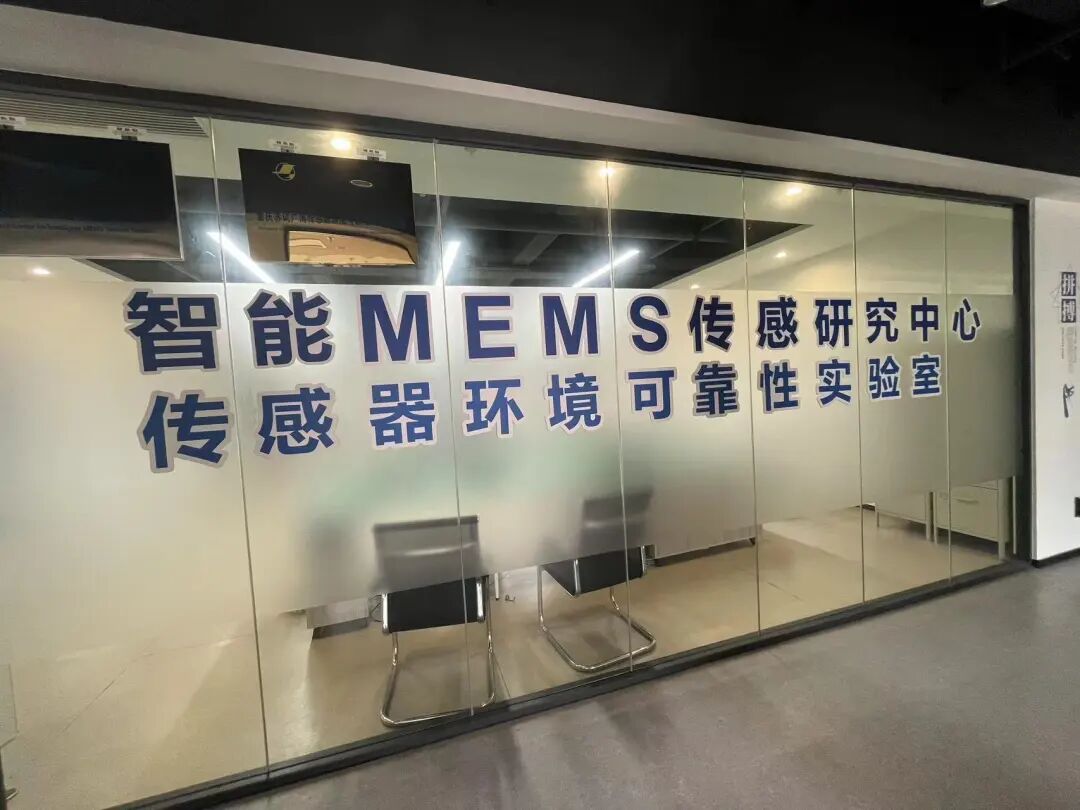
Smart MEMS Sensing Research Centre visual record
Sensing and reliability

Smart MEMS Sensing Research Centre

Public SCSDA material presents MEMS sensing and environmental reliability as part of the Academy's applied sensing platform for built-environment research.

  • Links sensor development, reliability testing, and built-environment applications.
  • Supports research themes in smart infrastructure, AIoT, monitoring systems, and field-oriented validation.
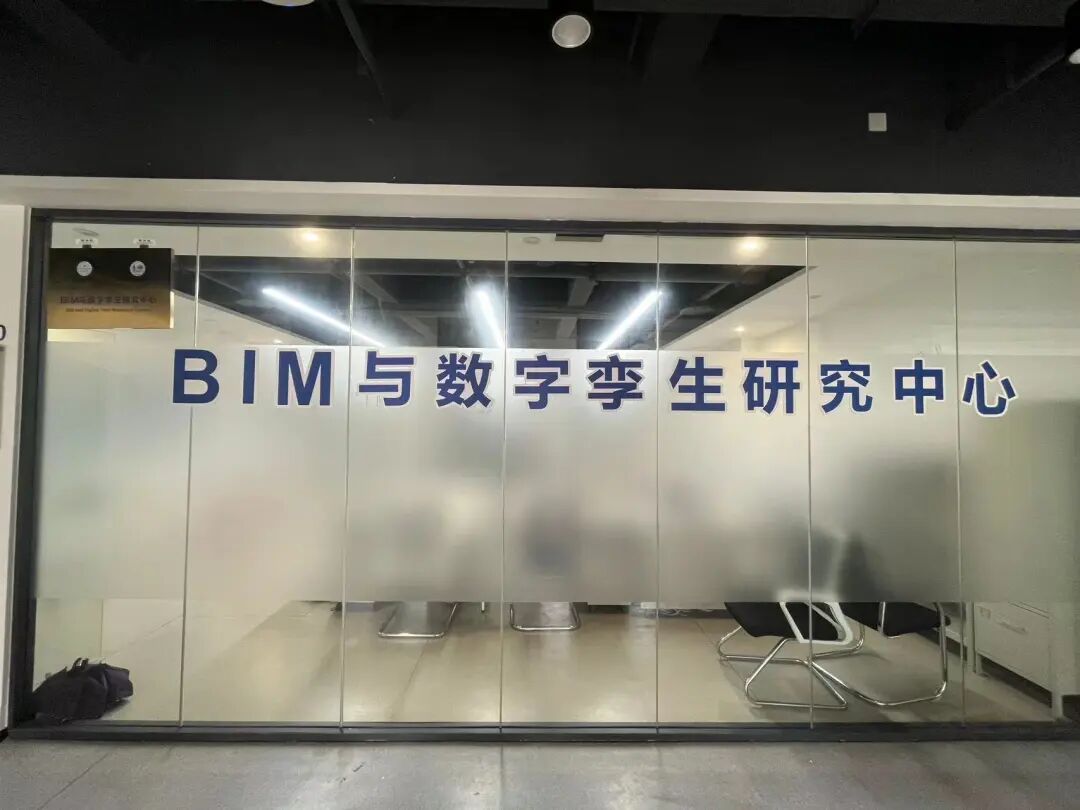
BIM and Digital Twin Research Centre visual record
Digital built environment

BIM and Digital Twin Research Centre

Public research-centre material identifies BIM and digital twins as a dedicated SCSDA platform area linking models, data, and engineering interpretation.

  • Connects BIM, reality capture, point-cloud workflows, and digital construction.
  • Relevant to bridges, buildings, municipal assets, and construction quality assurance.
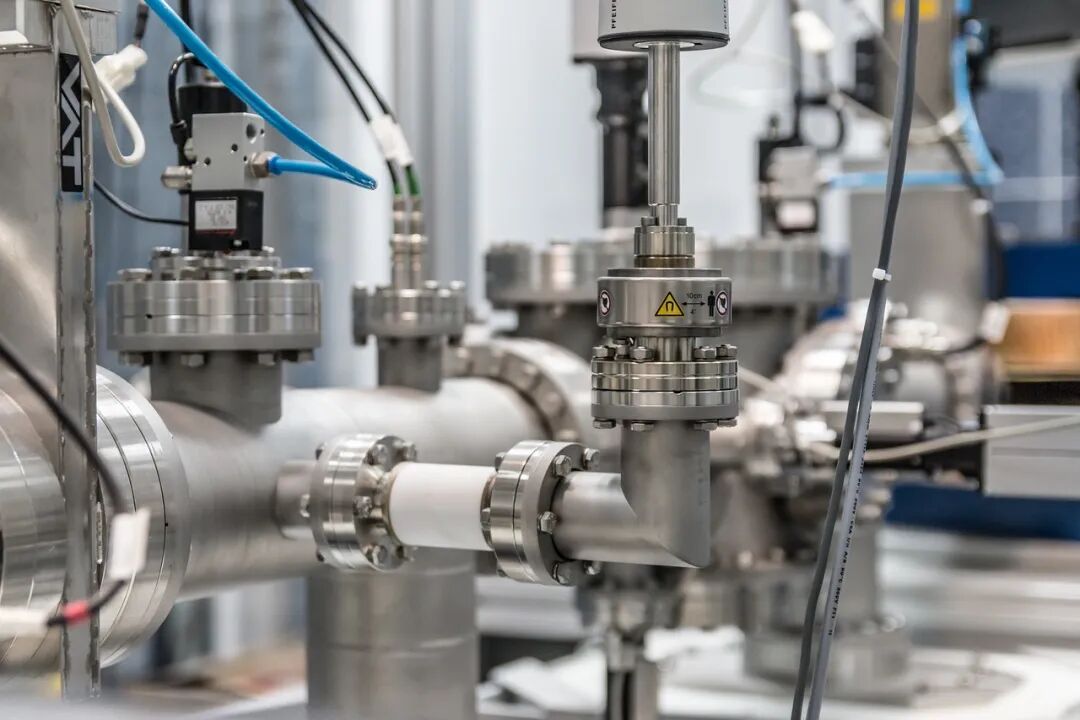
Microsystems and Laboratory Engagement visual record
Micro-nano systems

Microsystems and Laboratory Engagement

Public visual material records laboratory-facing engagement around microsystems, sensing, and component-oriented research within the Academy's wider platform.

  • Shows the Academy's connection between research-centre development and technical facilities.
  • Supports a measured institutional record of applied sensing and microsystem work.

Centres and Laboratories

Interdisciplinary structure across sensing, infrastructure, and sustainable urban systems.

The Academy's 2019-2023 platform-construction structure covered the following research centres and laboratories. The list is retained as an institutional map of the platform and as context for the research themes described above.

Smart MEMS Sensing Research Centre

Develops applied MEMS sensing directions, AIoT integration, market-oriented validation, and built-environment sensor translation.

BIM and Digital Twin Research Centre

Connects BIM, digital twins, reality capture, and large-structure engineering assessment for bridges, roads, municipal assets, and warning-oriented infrastructure studies.

Construction Waste Resource Utilisation Research Centre

Explores resource utilisation pathways for construction waste, recycled materials, and lower-impact built-environment applications.

Silicon Photonics Sensing Civil Engineering Laboratory

Frames optical and photonics-enabled sensing as a civil-engineering measurement route for infrastructure monitoring and structural performance understanding.

Smart Infrastructure and Equipment Research Centre

Integrates smart infrastructure, AIoT, data analytics, equipment systems, and applied technology translation for engineering and urban infrastructure contexts.

Sustainable Green Urban Recycled Materials Research Centre

Studies sustainable construction materials, recycled urban resources, and practical material alternatives for greener built-environment development.

New Motor Drive Systems and Intelligent Equipment Research Centre

Links advanced electric-drive systems, power-electronics applications, and intelligent equipment development with industry-facing research needs.

Microsystems Innovation Centre

Supports MEMS and microsystem design, simulation, prototype development, testing, and transfer-oriented service pathways.

Intelligent Testing and Monitoring Systems R&D Centre

Develops intelligent testing and monitoring approaches for tunnels, bridges, highways, construction sites, and infrastructure operation scenarios.

Chongqing University Micro-Nano Devices and Systems Joint Laboratory

Connects micro-nano devices, MEMS sensors, actuators, micro-optical components, micro-energy, and integrated microsystem research.

Sensor Environmental Reliability Laboratory

Focuses on performance testing, environmental reliability, calibration, and optimisation for sensor applications in engineering contexts.

Intelligent Rail Transit Systems and Equipment R&D Centre

Combines rail transit, intelligent construction, facility management, advanced sensing, and equipment development for transport-infrastructure research.