Applied research academy established in Chongqing in 2019

Smart Cities and Sustainable Development Academy

Research, education, and applied innovation in smart cities, digital built environments, smart infrastructure, sensing technologies, and sustainable urban systems.

Public Material Highlights

Research platform, applied systems, and public media records.

Selected public materials present SCSDA as an applied research platform, not only as a project list. The examples below connect technical systems, digital built-environment methods, sensing hardware, field workflows, and research-centre development into a clearer institutional profile for international academic and industry audiences.

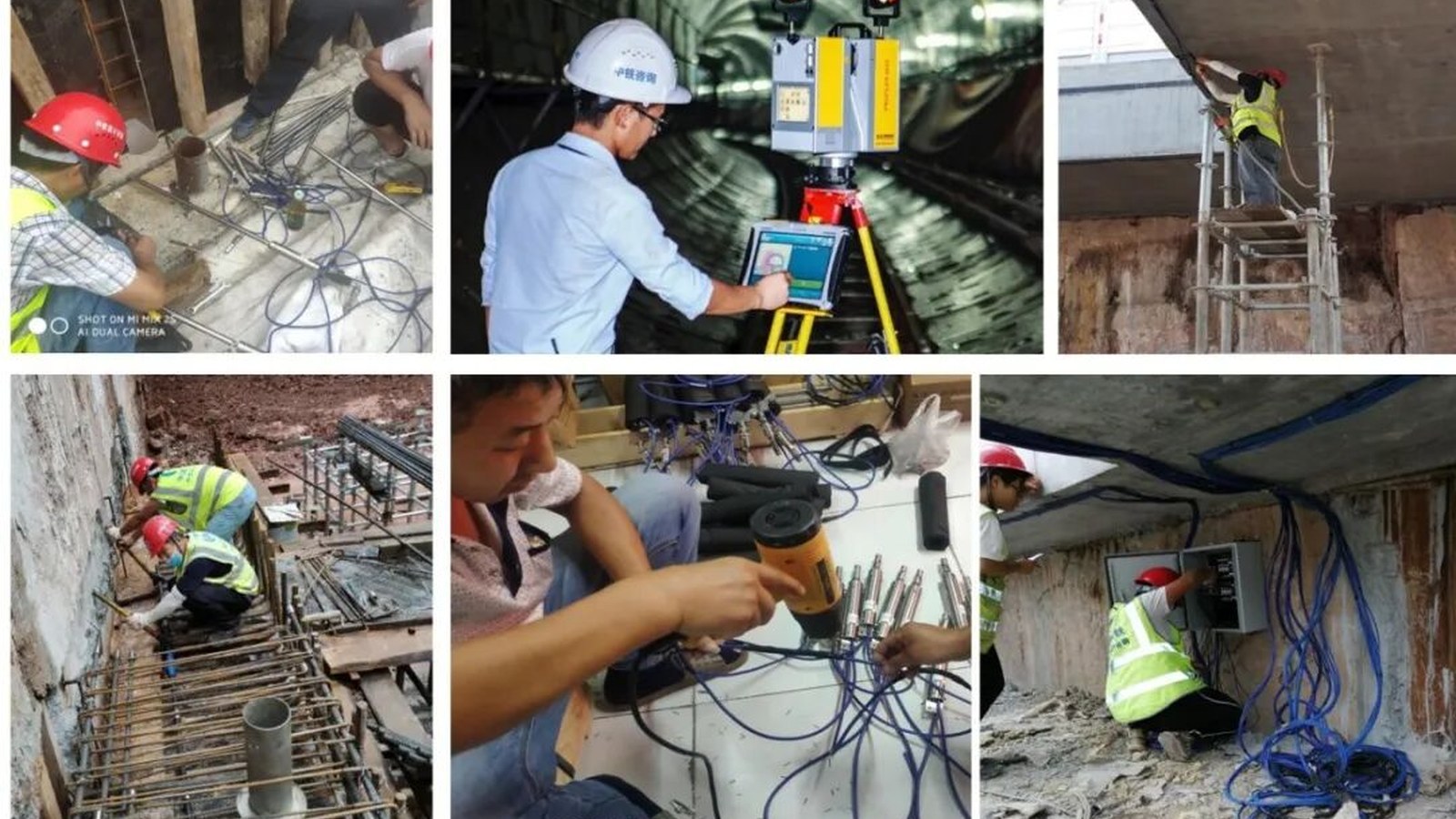
Field monitoring and sensing work used to represent SCSDA technical platform development
Research platform

Field monitoring and sensor workflows

SCSDA's public platform materials record an applied-research direction that connects field sensing, data acquisition, engineering monitoring, and digital management workflows. The emphasis is on research translation, infrastructure condition awareness, and practical validation rather than on sensitive component-level technology.

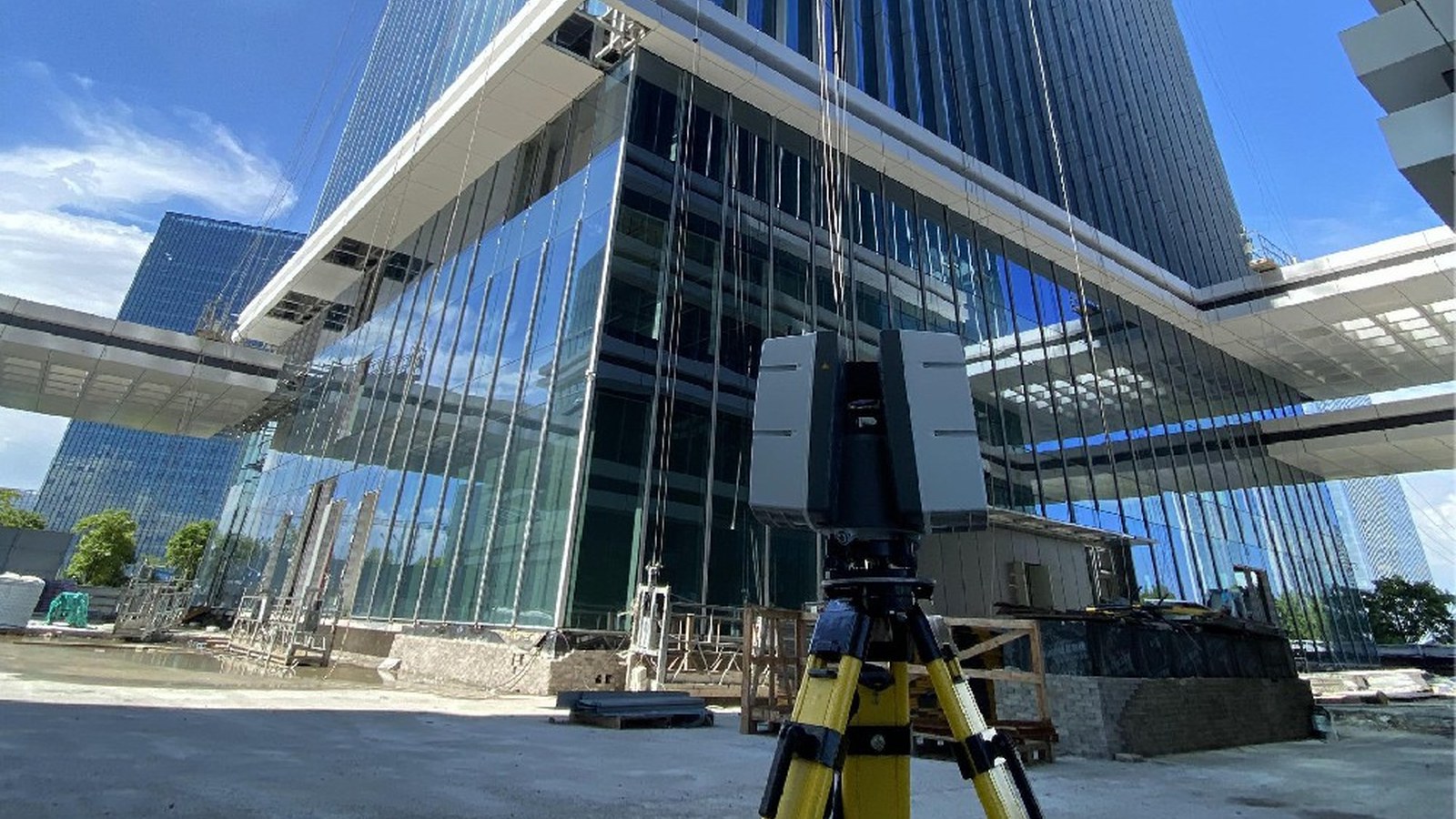
Terrestrial laser scanner used for digital construction and reality capture
Digital built environment

BIM, digital twins, and reality capture

The Academy's digital built-environment work links BIM, laser scanning, point-cloud processing, model reconstruction, and digital-twin workflows with engineering assessment. This gives the research platform a clear bridge between academic methods and practical construction, infrastructure, and asset-management questions.

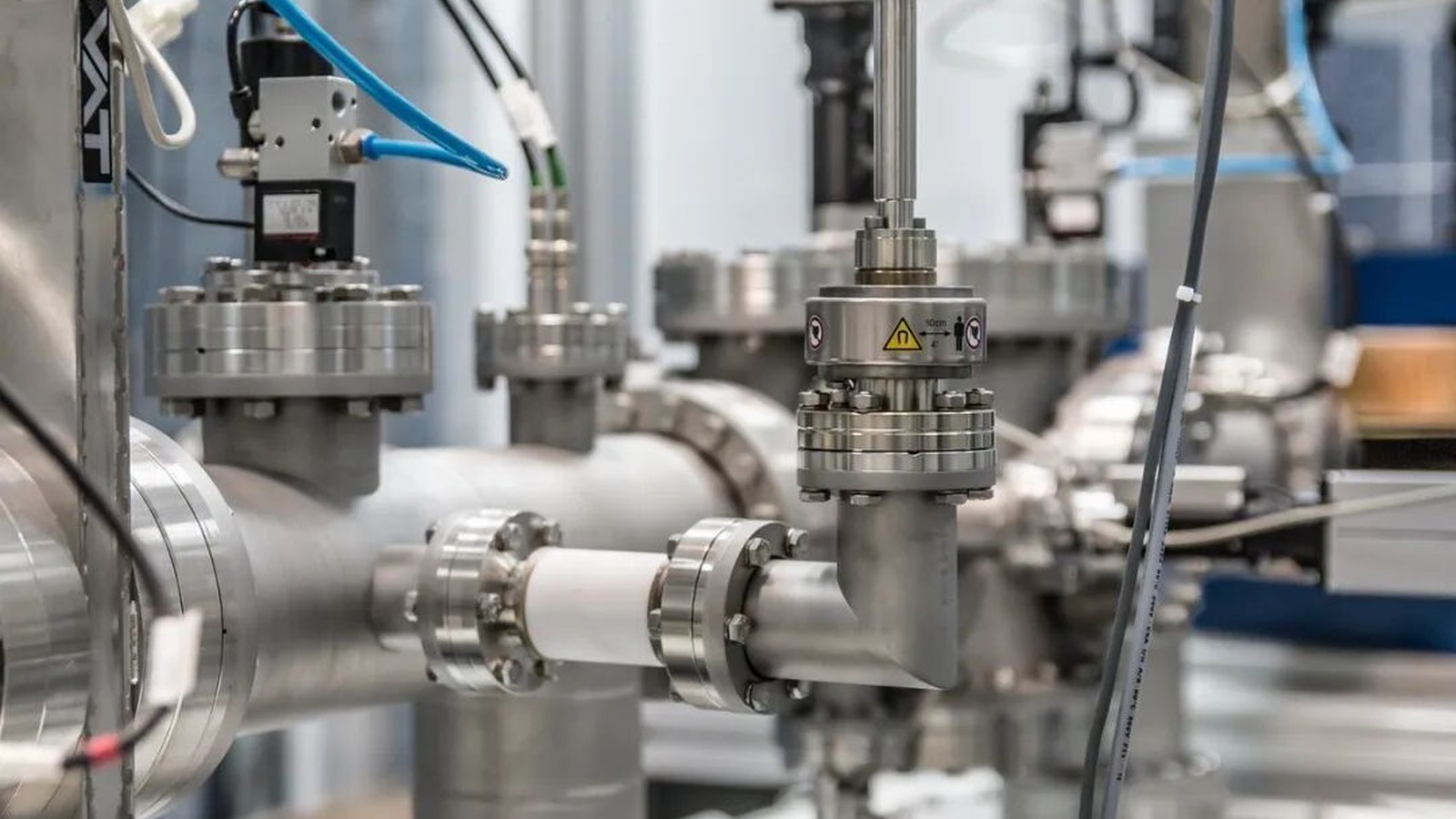
Laboratory sensing equipment used to represent smart infrastructure research
Infrastructure resilience

Smart infrastructure and resilient built assets

Sensing and monitoring themes are presented as part of a broader infrastructure-resilience agenda: understanding built assets, supporting field-oriented validation, and translating measurement workflows into public-facing engineering demonstrators. This helps describe SCSDA as a platform that combines laboratory, field, and systems thinking.

Institutional Profile

A nonprofit applied research academy for smart cities and sustainable development.

SCSDA was established in Chongqing in 2019. The Academy's public record is best understood as interdisciplinary platform-building: forming research centres, coordinating academic and enterprise-facing collaboration, communicating applied research themes, and translating built-environment methods into education, demonstrators, and selected engineering studies. Its subject areas link digital built environments, smart infrastructure, sensing technologies, sustainable construction, and international knowledge exchange.

2019established in Chongqing

The Academy was established as a nonprofit applied research organization.

12research centres and laboratories

A 2019-2023 construction-period platform indicator.

RMB 18menterprise-commissioned R&D services

Cumulative enterprise-commissioned R&D service projects reported by the Academy.

RMB 20mcompetitive research funding

Competitive funding secured to support applied research and platform development.

3core-team controlled high-tech start-ups

High-tech start-up ventures with controlling equity held by core team members.

49intellectual-property outputs

Construction-period intellectual-property outputs.

Platform Development

Connecting research themes with engineering practice.

The Academy developed a portfolio of research centres and applied R&D activities across BIM, digital twins, MEMS sensing, smart infrastructure, intelligent monitoring, sustainable materials, and urban systems. This structure gives the institution a recognisable research platform rather than a loose collection of topics.

Its public record shows a platform-building approach: forming research centres, coordinating academic and enterprise partners, translating research ideas into demonstrators and engineering studies, and supporting education-oriented knowledge exchange. The emphasis is on organised research development, applied collaboration, and responsible public communication for international academic and industry audiences.

Technical platform areas

  • BIM, digital twins, and scanning-based engineering assessment.
  • MEMS sensing, AIoT, and infrastructure monitoring workflows.
  • Sustainable construction, urban systems, and education engagement.

Research Areas

Digital built environment, smart infrastructure, sensing, and sustainable cities.

SCSDA's research themes connect engineering methods with urban systems: from BIM and point-cloud analysis to MEMS sensing, AIoT, green construction, and data-driven infrastructure workflows.

BIM, Digital Twins and Reality Capture

Building information modelling, bridge and building digital twins, point-cloud processing, laser scanning, and model-based engineering assurance are presented as one connected digital built-environment theme.

Applied to bridge engineering, building delivery, prefabrication, curtain-wall assessment, construction-quality review, and digital construction workflows where model outputs and field data need to be interpreted together.

Smart Infrastructure and Structural Health Monitoring

Data-driven monitoring, sensing, lifecycle performance evaluation, and infrastructure resilience for bridges, buildings, and complex structures form the Academy's smart-infrastructure research direction.

Connects field data, structural modelling, inspection technologies, condition assessment, risk awareness, and digital asset-management methods for engineering systems.

MEMS Sensing and AIoT for Built Environments

Micro-electromechanical sensing, sensing modules, AIoT integration, and field-oriented sensor validation are framed as technical foundations for infrastructure and urban-system monitoring.

Links advanced sensing technologies with built-environment monitoring, environmental reliability testing, sensor deployment scenarios, and smart infrastructure applications.

Sustainable Construction and Circular Materials

Sustainable urban systems, recycled construction materials, green construction methods, and lower-impact built-environment research provide the sustainability frame for the Academy's platform.

Supports resource-efficient construction, sustainable materials, education engagement, and knowledge exchange with collaborators working on practical built-environment challenges.

Infrastructure Resilience Focus

Built-asset monitoring, reality capture, and digital engineering assessment.

These platform directions align SCSDA's public research record with Dr Daguang Han's academic work in digital construction, smart infrastructure, infrastructure resilience, BIM, reality capture, and sensor-enabled engineering assessment. They are presented as non-confidential research directions suitable for international academic and industry audiences.
Resilient built assets

Infrastructure resilience and lifecycle health monitoring

SCSDA presents infrastructure resilience as an applied research direction linking structural health monitoring, condition assessment, lifecycle performance evaluation, and maintenance-oriented engineering interpretation for bridges, buildings, and urban infrastructure.

  • Field sensing and monitoring data
  • Condition indicators for built assets
  • Lifecycle assessment and maintenance support
Digital construction

Reality capture and digital-twin assessment for large structures

A platform research line connects terrestrial laser scanning, point-cloud processing, BIM, digital twins, and model comparison for bridge engineering, curtain-wall systems, prefabricated construction, and complex steel structures.

  • 3D laser scanning and point-cloud workflows
  • BIM and digital-twin model comparison
  • Engineering assessment for complex structures
Sensing and field validation

Sensor-enabled construction monitoring and field validation

The Academy's public monitoring demonstrators connect inclinometers, water-level sensing, high-formwork monitoring, site data acquisition, and dashboard communication with practical validation in construction and infrastructure contexts.

  • Monitoring sensors and site data acquisition
  • Construction safety and risk-awareness workflows
  • Dashboard-based engineering communication

Research Centre Structure

Named centres and laboratories across digital construction, sensing, infrastructure, and sustainability.

The Academy's centre structure is presented as a practical institutional map. Each centre connects a technical domain with applied research, education engagement, demonstrator development, or industry-facing collaboration, helping international readers understand SCSDA as a working research platform rather than a single-topic project.

Smart MEMS Sensing Research Centre

Develops applied MEMS sensing directions, AIoT integration, market-oriented validation, and built-environment sensor translation.

BIM and Digital Twin Research Centre

Connects BIM, digital twins, reality capture, and large-structure engineering assessment for bridges, roads, municipal assets, and warning-oriented infrastructure studies.

Construction Waste Resource Utilisation Research Centre

Explores resource utilisation pathways for construction waste, recycled materials, and lower-impact built-environment applications.

Silicon Photonics Sensing Civil Engineering Laboratory

Frames optical and photonics-enabled sensing as a civil-engineering measurement route for infrastructure monitoring and structural performance understanding.

Smart Infrastructure and Equipment Research Centre

Integrates smart infrastructure, AIoT, data analytics, equipment systems, and applied technology translation for engineering and urban infrastructure contexts.

Sustainable Green Urban Recycled Materials Research Centre

Studies sustainable construction materials, recycled urban resources, and practical material alternatives for greener built-environment development.

New Motor Drive Systems and Intelligent Equipment Research Centre

Links advanced electric-drive systems, power-electronics applications, and intelligent equipment development with industry-facing research needs.

Microsystems Innovation Centre

Supports MEMS and microsystem design, simulation, prototype development, testing, and transfer-oriented service pathways.

Intelligent Testing and Monitoring Systems R&D Centre

Develops intelligent testing and monitoring approaches for tunnels, bridges, highways, construction sites, and infrastructure operation scenarios.

Chongqing University Micro-Nano Devices and Systems Joint Laboratory

Connects micro-nano devices, MEMS sensors, actuators, micro-optical components, micro-energy, and integrated microsystem research.

Sensor Environmental Reliability Laboratory

Focuses on performance testing, environmental reliability, calibration, and optimisation for sensor applications in engineering contexts.

Intelligent Rail Transit Systems and Equipment R&D Centre

Combines rail transit, intelligent construction, facility management, advanced sensing, and equipment development for transport-infrastructure research.

Selected Work

Public-facing examples of applied research and platform construction.

The examples below are selected because they communicate SCSDA's work clearly to international academic and research collaborators through concise, non-confidential project descriptions.

Digital built environment

BIM and Digital Twin Research Centre

A centre focused on BIM, digital twins, reality capture, and large-structure engineering applications, with public material connecting academic methods to engineering use cases.

  • Connected BIM, 3D laser scanning, point-cloud processing, and structural-performance evaluation.
  • Supported enterprise-facing BIM implementation, training, and model-based quality assurance.
  • Communicated engineering methods through public-facing project summaries.
Scanning and monitoring

Reality Capture and Engineering Assessment

Applied work using field scanning, digital measurement, and model comparison for construction quality and asset assessment in complex built-environment contexts.

  • Relevant to curtain-wall installation quality, bridge monitoring, and construction-site verification.
  • Connects field equipment, point-cloud data, and engineering interpretation.
  • Supports the Academy's wider digital construction and smart infrastructure agenda.

Applied Research

SCSDA connects engineering research with public-facing, non-confidential applications in smart cities, infrastructure, and digital built environments. The focus is on turning research themes into demonstrators, summaries, training material, and engineering workflows that can be understood outside a single project team.

Interdisciplinary Platform

The Academy brings together BIM, digital twins, sensing technologies, AIoT, urban analytics, sustainable construction, and engineering education. This breadth allows the institution to present built-environment problems through models, data, field measurement, materials, infrastructure systems, and urban context.

Public Engagement

The Academy presents public research summaries, education engagement, and non-confidential project material for academic and industry audiences. Its public profile makes the research platform, selected outputs, and collaboration themes easier to review across institutional and international contexts.